
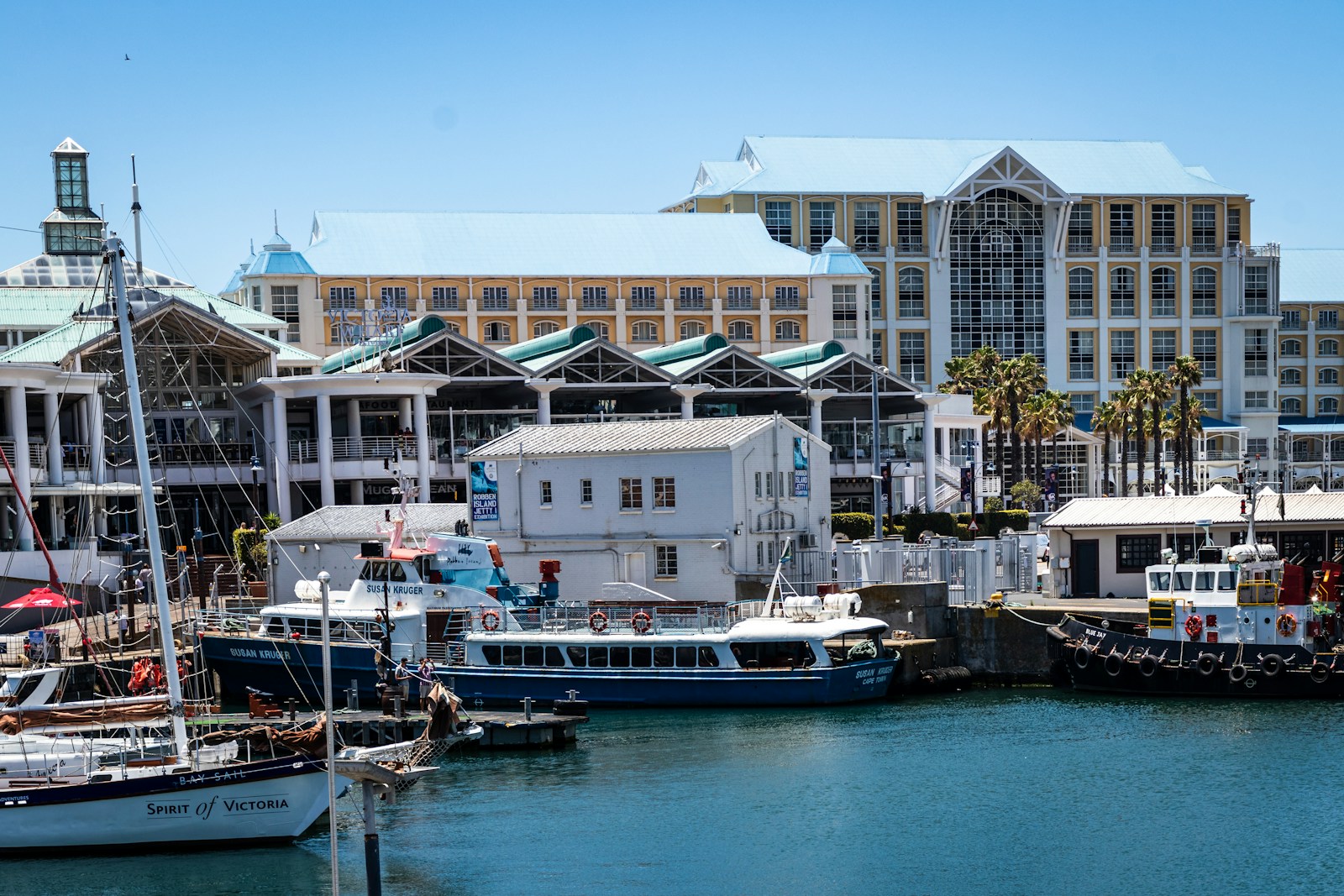
Why Is the Mother City Becoming a Global Hub for Relocation
Cape Town is rapidly transforming from a beautiful travel destination into one of the world’s most attractive relocation spots for expatriates. What used to be a bucket-list vacation city has become a real choice for people seeking a mix of lifestyle, career opportunity, culture, and natural beauty — all in one place. Today, more and more professionals, families, creatives, digital nomads, and retirees from across the globe are choosing Cape Town as their new home.
Lifestyle and Quality of Life: A Natural Magnet
One of the most compelling reasons expats relocate to Cape Town is the extraordinary quality of life. Nestled between the Table Mountain range and the Atlantic Ocean, Cape Town offers outdoor lifestyles that are hard to replicate elsewhere — from surfing and hiking to wine tasting and beach sunsets.
Expats consistently highlight:
- Exceptional natural beauty and climate
- Strong work–life balance
- Vibrant food and cultural scene
- English-speaking environment that’s easy to navigate for many foreigners
Such factors make Cape Town not just a city to work in, but a place to live well.
Economic, Business and Work Opportunities
While Cape Town’s economy isn’t solely dependent on international relocation, the city’s growing sectors — including creative industries, tech startups, tourism, and professional services — are creating opportunities for skilled workers from overseas. A diverse business ecosystem, supported by local entrepreneurship initiatives and co-working spaces, attracts professionals and digital nomads alike.
In addition, the relatively advantageous tax and legal framework in South Africa — including a network of tax treaties — makes Cape Town appealing for international investors and highly paid professionals exploring relocation or long-term residence.
Vibrant, Growing Expat Communities
Cape Town isn’t just growing in popularity — it already hosts a significant expat population, creating communities that help newcomers adapt and feel at home. Estimates suggest 100,000 to 150,000 expats live in the Cape Town region, with many from Europe (especially the UK and Germany).
Diverse expat clubs and cultural associations reflect the city’s cosmopolitan nature:
- British expats: Historically the largest foreign group due to longstanding ties between South Africa and the UK.
- Germans: A well-established community with schools, clubs and cultural events — Cape Town even features German bakeries and cultural institutions.
- Dutch and Flemish: Often integrate well thanks to linguistic similarities with Afrikaans, one of South Africa’s local languages.
- French: A culturally active community with schools, institutes like the Alliance Française, and events celebrating French culture.
- Americans & Canadians: Present in notable numbers with supportive communities and school networks.
- Italian & Portuguese communities: With clubs, social events, and cultural organizations.
- Irish, Scandinavian, Eastern Europeans and more: Smaller but active groups add further diversity.
There are also Brazilian, Swiss, Dutch, and Hellenic groups, among others — each contributing to Cape Town’s multicultural tapestry.
Ease of Social Integration and Support Networks
For many expats, the transition to a new country hinges on social support. Cape Town has numerous forums, Meetup groups, and expat clubs designed to help newcomers forge connections, find housing, and share experiences. These networks reduce the isolation of relocation and help people settle in faster.
Affordability (Relative to Global Cities)
Although Cape Town has become more expensive in recent years, especially in desirable areas like the Atlantic Seaboard and the City Bowl, it still remains more affordable than many global relocation destinations such as London, Berlin or Amsterdam — particularly for those earning in foreign currencies.
For many Europeans, Americans, and Australians, living costs are comparatively lower, allowing for higher discretionary spending and a comfortable lifestyle without the extreme prices of some global capitals.
Challenges and Considerations – Why Expert Relocation Support Makes the Difference
Every international relocation comes with important considerations, and Cape Town is no exception. However, for most expats, these aspects are part of the decision-making process rather than deterrents, especially when supported by experienced relocation professionals.
Safety and security are often among the first topics discussed by those planning to move. In reality, Cape Town is a city of very diverse neighbourhoods, each with its own character and living standards. With the right local knowledge, expats can confidently choose areas that offer excellent quality of life, strong communities, and a sense of everyday ease. Professional relocation support helps translate local realities into clear, informed choices.
Infrastructure and service levels can also vary across the city. While many areas provide international-level healthcare, private schooling, modern housing and reliable services, understanding how to access and navigate these systems is essential. A structured relocation process ensures smooth coordination, reliable service providers, and continuity from arrival to long-term settlement.
Housing demand has increased significantly in sought-after neighbourhoods, particularly those popular with international residents. This makes local market insight and strong networks crucial when securing the right home. Experienced relocation teams help expats avoid common pitfalls, identify real opportunities, and negotiate effectively within a competitive market.
For this reason, many expats choose to rely on trusted relocation partners with international standards, such as La Relocation Cape Town, part of a Swiss-led relocation group. We guarantee precision, transparency, and reliability — values that are especially important when making a life-changing move abroad. Combined with the in-depth local knowledge of Cape Town of our on-site team, this approach offers clarity, confidence, and peace of mind throughout the entire relocation journey.
With the right guidance, the challenges of relocating to Cape Town become manageable, structured, and well supported, allowing expats to focus on what truly matters: building a fulfilling life in one of the world’s most attractive cities.
Making Cape Town Your New Home
Cape Town’s rise as a global relocation hub isn’t an accident — it’s the result of a unique blend of lifestyle, community, opportunity, and multicultural richness. For expats from the UK, Germany, the Netherlands and Belgium, France, North America, and beyond, the city offers something rare: a place where work, nature, culture and community intersect. Whether you’re a digital nomad, professional seeking a new base, or family exploring international living, Cape Town presents a compelling destination — complete with established networks, lifestyle benefits, and a vibrant, international outlook.
Frequently Asked Questions (FAQs)
1. What makes Cape Town better than other global cities for relocation?
Cape Town offers a unique combination of outdoor lifestyle, multicultural communities, economic opportunities, and affordability compared to cities like London or Berlin.
2. How large is the expat community in Cape Town?
Estimates suggest between 100,000 to 150,000 expats live in Cape Town, including British, German, French, Dutch, American, and other international residents.
3. Is Cape Town safe for expats?
Safety varies by neighborhood. Areas popular with expats generally offer high security, and professional relocation services can guide newcomers to suitable locations.
4. Are there good schools and healthcare options for expats?
Yes. Cape Town has international schools, private healthcare facilities, and reliable service providers, particularly in expat-friendly neighborhoods.
5. How expensive is living in Cape Town?
Living costs are lower than in most European or North American cities, especially for those earning in foreign currencies. Housing, dining, and daily expenses offer good value.
6. What types of jobs are available for foreign professionals?
Cape Town offers opportunities in tech, creative industries, tourism, finance, and professional services, as well as flexible work arrangements for digital nomads.