
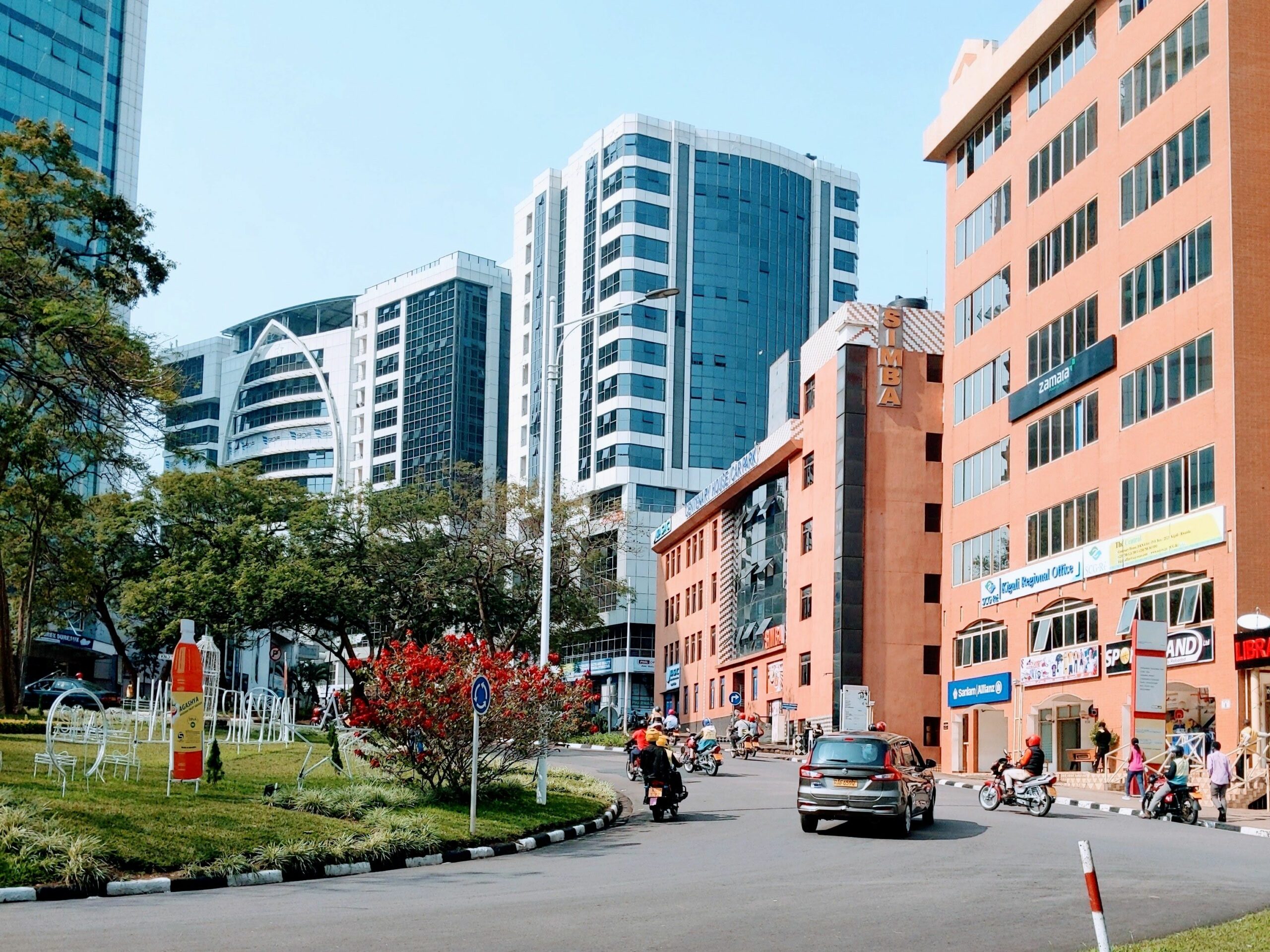
Moving to Nairobi means stepping into one of Africa’s most dynamic capital cities. Kenya’s capital combines international business, technology, diplomacy and a highly connected expatriate community with something that is harder to find in many global cities: easy access to nature and wildlife.
For professionals, entrepreneurs and international organisations, Nairobi offers a strong base in East Africa. For families, it provides international schools, established residential communities and a wide range of lifestyle services. For people looking for a different pace of life, the city offers a distinctive balance between urban living and the outdoors.
Nairobi is also a city with a clear international profile, and moving to Nairobi reflects its appeal. It hosts the only United Nations headquarters in Africa and the Global South, while Kenya has developed one of Africa’s most established technology and innovation ecosystems.
So, why move to Nairobi? Here are nine reasons worth considering, along with some practical points to keep in mind before making the decision.
1. Nairobi is a major business and technology hub in East Africa
Nairobi has become an important centre for business, finance, technology and innovation across the region.
Kenya is widely known for its “Silicon Savannah”, reflecting the strength of its technology and start-up ecosystem. The country has developed a strong position in areas such as fin-tech, digital services, agriculture technology, health technology, clean energy and e-commerce. Nairobi sits at the heart of this ecosystem and continues to attract entrepreneurs, investors, international companies and skilled professionals.
The city is also home to regional operations for international organisations and companies, and a strong network of Kenyan businesses supports those moving to Nairobi.
For executives and professionals moving to Nairobi, this provides access to a wider East African market. English is widely used in professional environments, which can also ease the transition for international employees.
The local business environment is one of the reasons Nairobi attracts people who are looking for more than a short-term assignment. It can serve as a strategic base for building professional networks and engaging with markets across the region.
2. Nairobi has a strong international and diplomatic presence
Nairobi has a global role that goes well beyond Kenya.
The city is home to the United Nations Office at Nairobi (UNON), the only UN headquarters in Africa and the Global South. It also hosts the global headquarters of the United Nations Environment Programme (UNEP) and UN-Habitat, together with numerous other UN organisations and regional offices.
The UN presence is expanding. In 2026, the United Nations launched a major expansion of its Nairobi headquarters, with an investment of more than USD 340 million. The project is expected to strengthen Nairobi’s role as a centre for international cooperation and global meetings.
This makes Nairobi particularly relevant for:
- Diplomats and government representatives
- UN and international organisation professionals
- NGO and humanitarian professionals
- Development specialists
- Sustainability and environmental professionals
- International businesses working across Africa
For globally mobile professionals, being part of such an international environment can make the city easier to navigate socially and professionally.
3. You can build a global lifestyle without giving up access to nature
One of Nairobi’s most distinctive features is its relationship with the natural environment.
Nairobi National Park is located within the city and covers approximately 117 square kilometres. According to the Kenya Wildlife Service, it is home to more than 100 animal species and more than 400 bird species. Four of Africa’s Big Five can be found in the park, with elephants being the exception.
For residents, this means that wildlife is not limited to an occasional safari holiday.
A morning game drive, a weekend in the countryside or a walk in one of Nairobi’s green spaces can all become part of everyday life.
Karura Forest, the Nairobi Arboretum and other natural areas also offer opportunities for walking, cycling, birdwatching and spending time outdoors.
This connection with nature is one of the aspects that gives Nairobi a very different character from many other international business capitals.
4. The city offers an established international community
Moving to a new country becomes easier when there is already an international community around you.
Nairobi has long attracted professionals from Europe, North America, Asia and other parts of Africa. The city’s expatriate population is linked to its business community, international organisations, diplomatic missions, NGOs, schools and development sector.
For newcomers, this can provide practical and social advantages.
International communities often become an important source of recommendations for schools, neighbourhoods, healthcare providers, household support, clubs and activities. They can also help new arrivals build friendships and professional connections.
At the same time, Nairobi offers the opportunity to engage with Kenyan culture and local communities rather than living entirely within an expatriate bubble.
For families and professionals moving internationally, that balance can make a significant difference to the overall relocation experience.
5. Nairobi can work particularly well for international families
For families, one of the first questions when considering a move is usually education.
Nairobi has a well-established international school market, with schools offering British, American, IB, German and other international programmes. The International School of Kenya, for example, has offered the IB Diploma since 1982, while the IB currently lists a number of authorised schools in Kenya.
School choice is therefore one of the areas where planning ahead matters.
The right school will depend on your child’s age, curriculum, language, future university plans, location and budget. Some families also choose their neighbourhood partly around school access.
Popular residential areas for international families include Karen, Lavington, Gigiri and Runda, although the right choice depends on where you work, where your children study and the lifestyle you want.
A relocation plan should therefore look at school and home together, rather than treating them as two separate decisions.
6. Nairobi offers a wide choice of residential lifestyles
There is no single Nairobi lifestyle.
The city includes established residential neighbourhoods, gated communities, apartments, serviced residences and high-end estates. This gives international residents a degree of choice depending on whether they prioritise space, proximity to work, access to schools, restaurants and social life, or a quieter environment.
Areas such as Karen are known for larger properties and a greener setting. Gigiri is particularly convenient for professionals working with the UN and diplomatic community. Westlands and other central areas offer a more urban lifestyle, with restaurants, offices, retail and entertainment nearby.
For newcomers, location is one of the most important decisions to get right.
Traffic can have a significant impact on daily life, so choosing a home based purely on the property itself can be misleading. Commute times, school routes and access to everyday services should all form part of the decision.
This is one reason why spending time in Nairobi before signing a long-term lease can be valuable.
7. The climate makes outdoor living possible throughout much of the year
Nairobi’s altitude gives the city a milder climate than many people might expect from a location close to the Equator.
The Kenya National Bureau of Statistics recorded a mean annual maximum temperature of 25.9°C for the Nairobi region in 2025. Nairobi’s elevation also contributes to relatively moderate temperatures compared with much of tropical Kenya.
The city experiences distinct rainy seasons, so the climate is not completely dry year-round. However, temperatures generally remain suitable for outdoor activities throughout the year.
For residents, this supports a lifestyle that includes outdoor dining, walking, sport, weekend trips and time in nature.
It is also one of the reasons Nairobi can feel quite different from other major African cities with hotter or more humid climates.
8. Nairobi provides access to East Africa and beyond
For internationally mobile professionals, location matters.
Nairobi is an important regional aviation and business hub, making it a practical base for people who need to move between Kenya, other African markets and international destinations.
This is particularly relevant for executives whose roles cover several countries, as well as international organisations and companies with regional operations.
Kenya’s position in East Africa also makes Nairobi a useful starting point for exploring the wider region. From the city, residents can access destinations ranging from the Kenyan coast and safari areas to neighbouring East African countries.
For someone whose life or work already crosses borders, Nairobi can therefore function as both a home and a regional base.
9. Nairobi can offer a high standard of living with careful planning
One of the reasons people consider moving to Nairobi is the possibility of combining an international lifestyle with a cost structure that can compare favourably with many developed-country cities.
However, this needs to be understood properly.
Nairobi has a broad range of housing, dining, transport and everyday services. Local options can be considerably more affordable than comparable services in many major Western cities. At the same time, premium housing, international schools, private healthcare and imported goods can represent significant expenses.
In other words, the cost of living in Nairobi depends heavily on the lifestyle you choose.
For an international family, it is important to create a realistic relocation budget that includes housing, school fees, healthcare, transport, insurance, household support and regular travel.
A well-planned move can make the difference between simply living in Nairobi and genuinely enjoying what the city has to offer.
What should you consider before moving to Nairobi?
Nairobi has many advantages, but choosing to relocate should always be based on your personal circumstances.
Before moving to Nairobi, it is worth looking carefully at:
Housing and neighbourhoods
Your home should be selected around your workplace, school, commute and preferred lifestyle. A property that looks ideal on paper may not be practical if it creates a difficult daily commute.
Education
International schools can have different curricula, locations, admissions procedures and fee structures. Start the research early, particularly if you are moving with children.
Healthcare
Nairobi has private hospitals and medical facilities serving both local and international residents. Families should understand their healthcare options and make sure their international or local insurance arrangements are appropriate.
Security
As with any major international city, security varies between areas and situations. Professional local advice is important when choosing a neighbourhood, property and daily routines.
Transport
Traffic is an important practical consideration. Your daily commute can have a significant impact on how you experience the city, so transport planning should be part of the relocation process from the beginning.
Immigration and permits
The appropriate visa or permit depends on your nationality, employment situation and reason for moving. Requirements can change, so applications should be checked against current Kenyan immigration rules before departure.
Is moving to Nairobi right for you?
There is no single profile of a Nairobi resident.
The city can be particularly relevant for international executives, entrepreneurs, diplomats, NGO and development professionals, remote workers, and families looking for an international education environment.
It can also appeal to people who want a major African business centre without giving up access to nature, outdoor activities and a strong social environment.
The most important question is not simply whether Nairobi is attractive. It is whether the city, neighbourhood, school system, professional opportunities and lifestyle fit your specific priorities.
That is where preparation matters.
A successful relocation starts well before the flight. Understanding the city, comparing neighbourhoods, identifying suitable schools and services, and experiencing Nairobi in person can help you make decisions with much greater confidence.
Experience Nairobi before you move
For international clients, a relocation decision often becomes clearer once they have experienced the destination as a resident rather than a tourist.
A Nairobi Discovery Tour can help you explore the city through the lens of everyday life. Instead of focusing only on attractions, the experience can be built around the questions that matter when considering a move: Where would we live? Which areas fit our lifestyle? How would the commute work? Which schools could suit our children? What does daily life actually feel like?
At La Relocation Group, we combine local expertise with a personalised approach to international relocation and lifestyle services. Our role is to help individuals, families and companies understand the practical realities of a destination and make informed decisions before, during and after the move.
For Nairobi, that local perspective is particularly valuable. The right neighbourhood, school, property and support network can make a substantial difference to the experience of settling into the city.
Frequently Asked Questions About Moving to Nairobi
Is Nairobi a good city for expats?
Nairobi has a large international community, established international schools, multinational companies, diplomatic missions, NGOs and UN organisations. This creates an environment that can be accessible to international professionals and families.
Why are people moving to Nairobi?
Common reasons include professional opportunities, access to East African markets, the technology ecosystem, international organisations, lifestyle, international education and proximity to nature and wildlife.
Is Nairobi suitable for families?
Yes. Nairobi has international schools offering British, American and IB programmes, together with established family-oriented residential areas and private healthcare options. School availability, location and fees should be assessed before moving.
What are the best areas to live in Nairobi?
Popular areas for international residents include Karen, Gigiri, Runda, Lavington, Westlands and other established residential districts. The best area depends on your workplace, school, commute and preferred lifestyle.
Is Nairobi expensive for expats?
Nairobi can offer a lower cost structure than many developed-country cities, but premium housing, international schools and imported products can be expensive. A realistic budget should therefore be based on your intended lifestyle rather than city-wide averages.
What is Nairobi known for?
Nairobi is known for its role as a business and technology hub, its international organisations and diplomatic community, its vibrant cultural scene and its proximity to wildlife. Nairobi National Park is located within the city and has more than 100 animal species and over 400 bird species.
What is the climate like in Nairobi?
Nairobi has a relatively mild highland climate. Temperatures are moderated by the city’s elevation, although the city experiences distinct rainy seasons. The Nairobi region recorded a mean annual maximum temperature of 25.9°C in 2025.
Is Nairobi a good base for business in Africa?
Nairobi is an established regional business and technology hub and hosts a significant concentration of international companies, organisations and investors. Kenya’s innovation ecosystem is particularly strong in technology, fin-tech and digital services.
What should I organise before moving to Nairobi?
Key areas include immigration and permits, housing, school selection, healthcare, insurance, transport, banking, utilities and local support. Starting this process before arrival can reduce uncertainty and make the first months much easier.
Moving to Nairobi with local expertise
A successful international relocation is about more than finding a house and obtaining a visa. It is about understanding how a destination works and making the right decisions for your circumstances.
La Relocation Group provides international relocation and lifestyle services in Nairobi, supporting individuals, families and companies with local guidance, practical coordination and personalised solutions.
From pre-relocation analysis and home search to school selection, settling-in and lifestyle support, our team helps clients navigate Nairobi with a clear understanding of both the opportunities and the practical considerations.
Considering a move to Nairobi? Start with the destination, then build the move around your life.