
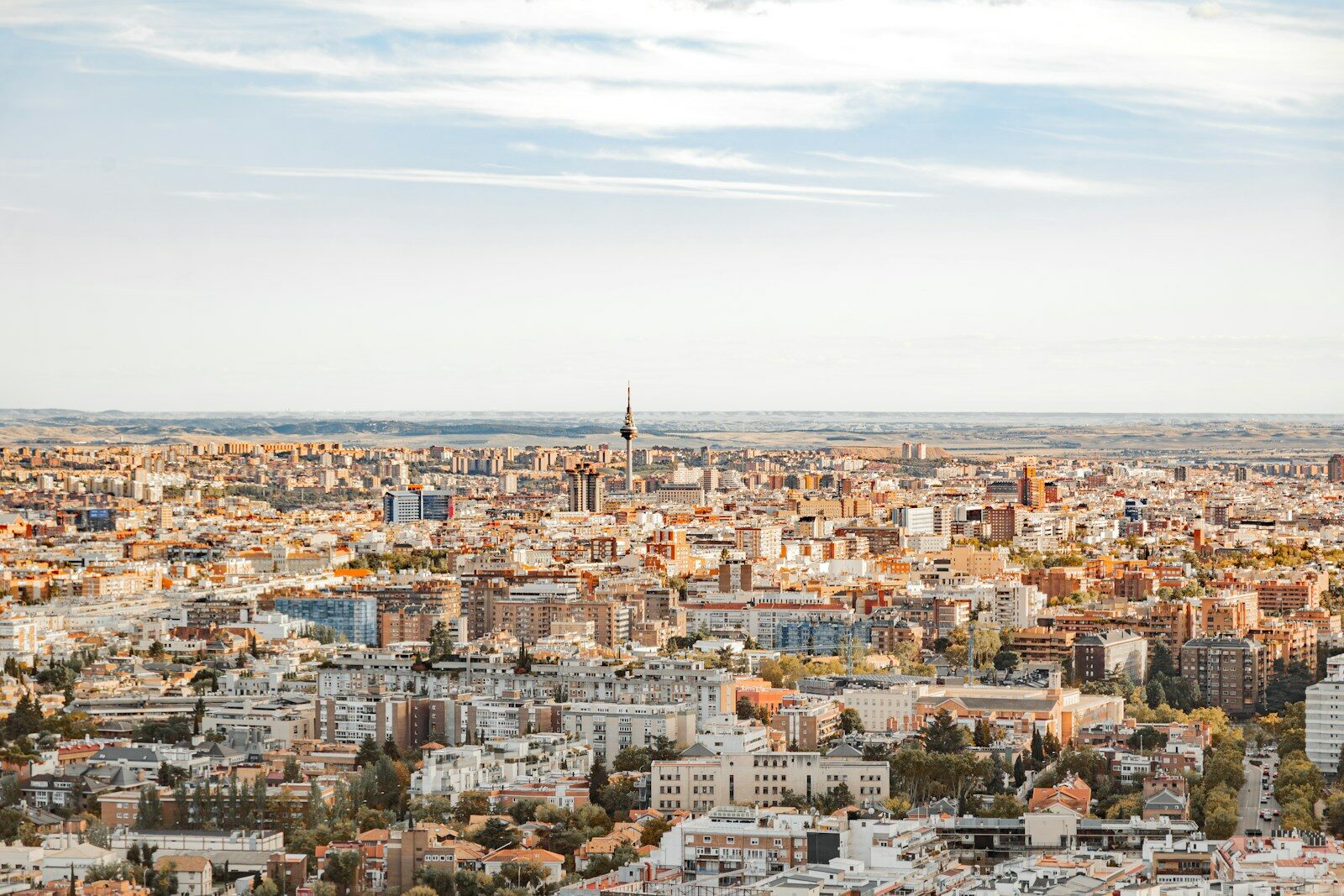
Moving with children changes how people look at a city. In Madrid, the choice of neighbourhood is usually tied to schools, green spaces, transport, and daily safety. Each district has a different rhythm, and that affects family life more than anything else.
Madrid offers several areas that are commonly chosen by international families. Most of them combine residential calm with access to international schools and services used by expat communities.
What international families usually look for in Madrid
Schools and education options
School access is often the first filter. Madrid has a mix of Spanish public schools, semi-private “concertado” schools, and international schools offering British, American, or IB curricula.
International families tend to prioritise proximity to established schools, since commuting with children is a key factor in daily routines.
Parks and outdoor spaces
Green areas are important for families relocating from abroad. Madrid has several large parks and residential zones designed around outdoor living, especially in central and north-west areas.
Safety and daily convenience
Safety perception is generally high in residential districts, but families usually look for quiet streets, services within walking distance, and reliable transport connections.
Salamanca – central, structured, and well connected
Salamanca is one of the most established residential areas in Madrid. It is known for wide streets, classic buildings, and a strong mix of shops, restaurants, and services.
For families, the main advantage is structure and convenience. Everything is close, including healthcare services and private schools. Transport connections are also strong, with multiple metro lines.
It is not the quietest area in the city, but it offers stability and a predictable daily routine.
Chamartín – residential and school-oriented
Chamartín is one of the most common choices for international families. It has a more residential feel compared to central Madrid and is well connected to business districts and transport hubs.
Several international schools are located in or near this area, which reduces commuting time for children.
Parks and open spaces are also more accessible than in central districts. The overall lifestyle is practical, with a strong focus on family routines.
Pozuelo de Alarcón – suburban and international school hub
Pozuelo de Alarcón is located just outside central Madrid and is widely known for its concentration of international schools. Many expat families choose this area for its residential layout and quieter environment.
Housing tends to be more spacious, often including houses or larger apartments. This is a key difference compared to central neighbourhoods.
Daily life is more car-dependent, but the area offers a high level of comfort for families looking for space and privacy.
Majadahonda – balanced suburban living
Majadahonda is another popular suburban option. It offers a mix of residential areas, shopping centres, and green spaces.
Families often choose it for a more relaxed pace while still maintaining access to Madrid’s city centre through commuter connections.
Schools, sports facilities, and parks are well integrated into the area, making it suitable for children’s routines.
Retiro – central living near the park
Retiro is one of the most attractive central areas for families who prefer city living without giving up outdoor space. The neighbourhood is defined by its proximity to El Retiro Park, one of Madrid’s largest green areas.
It offers a calmer atmosphere compared to other central districts. Schools, cultural spaces, and services are within easy reach.
It suits families who want to stay in the centre but still maintain access to outdoor activities for children.
FAQs about the best neighbourhoods in Madrid for international families
Which areas in Madrid are best for families with children?
Common choices include Salamanca, Chamartín, Retiro, Pozuelo de Alarcón, and Majadahonda. Each offers a different balance between schools, space, transport, and lifestyle. The decision usually depends on school placement and commuting needs.
Are international schools easy to find in Madrid?
Yes, Madrid has several established international schools offering British, American, and IB curricula. Many are located in or near Chamartín and in suburban areas such as Pozuelo de Alarcón, which is known for its school network.
Is Madrid safe for families?
Most residential areas used by international families are considered safe. Families usually prioritise quiet streets, access to services, and proximity to schools rather than safety concerns alone, which are generally not a major issue in these districts.
What is the best area in Madrid for space and larger homes?
Suburban areas like Pozuelo de Alarcón and Majadahonda typically offer larger homes, including houses and spacious apartments. These areas are often chosen by families who prioritise space over central location.
Is it better to live in central Madrid or outside the city with children?
Both options work, but they offer different lifestyles. Central areas like Salamanca and Retiro provide convenience and services within walking distance. Suburban areas offer more space and quieter environments but usually require commuting by car or train.
Final considerations
Choosing a neighbourhood in Madrid for a family move is usually a balance between lifestyle and logistics. School location, commuting time to work, and housing type often decide the final choice more than anything else.
Central areas like Salamanca or Retiro offer convenience and structure. Suburban areas like Pozuelo or Majadahonda provide more space and a quieter environment. Chamartín sits somewhere in between, with a strong focus on schools and residential living.
There is no single best option. The right choice depends on how daily routines are expected to work once life in Madrid begins.
Relying on someone with solid local knowledge can make a real difference at this stage, since the key is asking the right questions early on, the ones that often determine whether a relocation works smoothly or becomes more complicated than expected.