
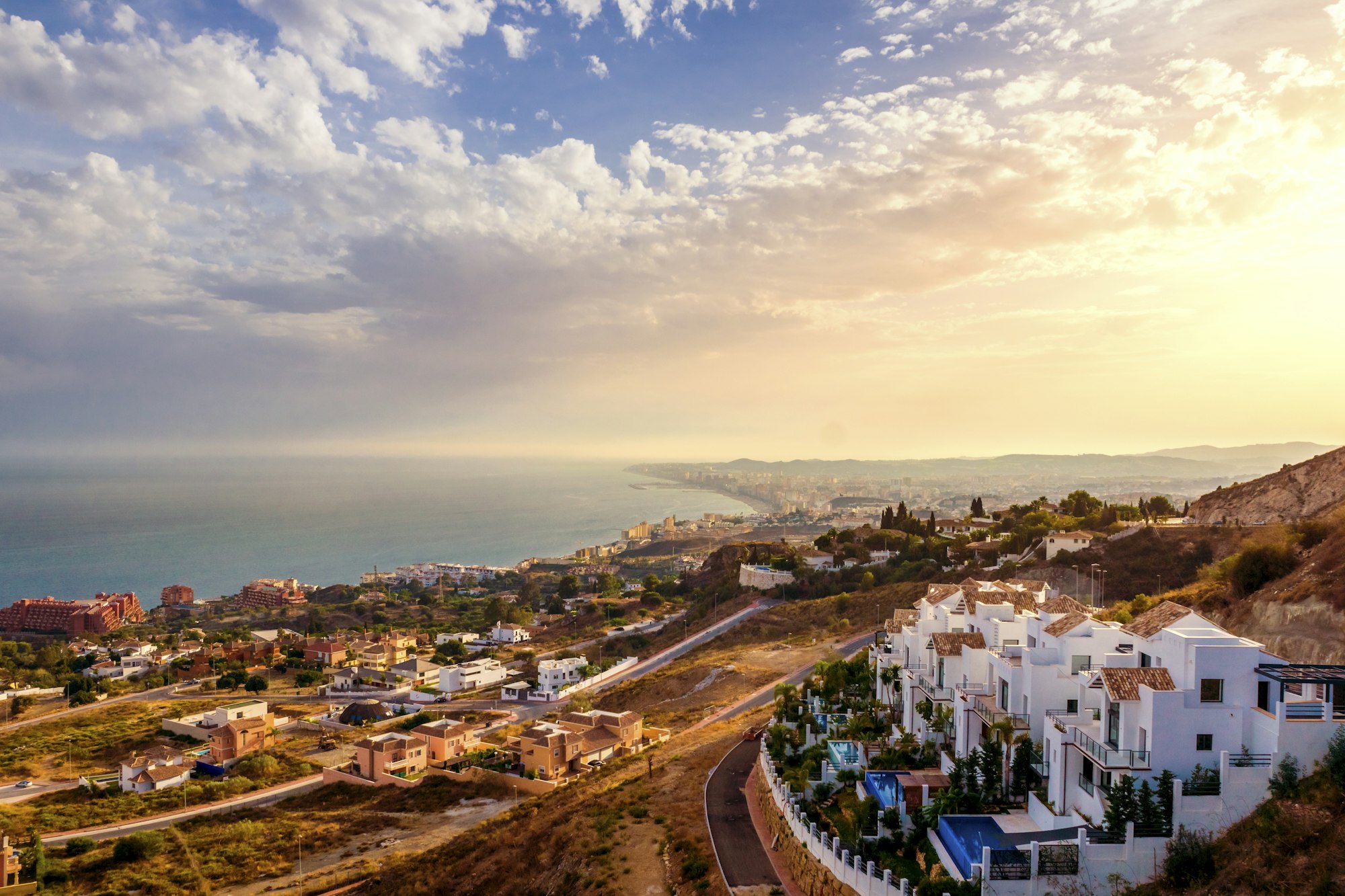
Why the Costa del Sol Attracts Families and Retirees
For decades, the Costa del Sol has been one of Europe’s most beloved destinations for those chasing sun, sea, and a slower pace of life. With more than 320 days of sunshine a year, golden beaches, and a relaxed Mediterranean atmosphere, it’s no wonder families and retirees from around the world — especially Northern Europe and North America — choose to settle here.
Year-Round Sunshine and Outdoor Living
The climate is the Costa del Sol’s biggest draw. Mild winters and long, warm summers mean children can grow up playing outdoors, while retirees enjoy year-round golf, walking, and watersports. Life here naturally shifts outdoors, making it an ideal place for healthy, active living.
A Popular International Expat Destination
With such appeal, the Costa del Sol has developed into a multicultural hub, home to thriving expat communities in towns like Marbella, Estepona, Fuengirola, and Mijas. International schools, English-speaking healthcare, and global cuisine create a comfortable environment for newcomers, while still offering a truly Spanish experience.
Expectations vs. Reality of Life in Costa del Sol
The dream of life under the Andalusian sun is powerful — but the reality can be more complex. Many expats arrive with high expectations, only to find challenges they hadn’t considered.
Cost of Living and Housing Market
Expectation: affordable living by the sea.
Reality: while day-to-day costs (groceries, dining out, transport) can be lower than in the U.S. or Northern Europe, property prices have risen sharply in recent years, especially in sought-after coastal towns. Choosing the right neighborhood, balancing budget and lifestyle, requires careful guidance.
Healthcare, Education, and Daily Services
Expectation: seamless access to services.
Reality: Spain offers excellent healthcare, but navigating the public vs. private systems, finding English-speaking doctors, or enrolling children in the right school often requires insider knowledge. Daily administration — from setting up utilities to registering with local authorities — can be unexpectedly time-consuming.
Cultural Integration and Language Barriers
Expectation: an easy adjustment thanks to the large expat community.
Reality: while English is widely spoken in tourist areas, deeper integration means embracing Spanish language and culture. For families and retirees alike, building genuine connections often depends on learning at least some Spanish and adapting to the local way of life.
The Benefits for Families
Despite the challenges, families often find the Costa del Sol to be a wonderful place to raise children.
Family-Friendly Communities and Schools
With a mix of Spanish public schools, private bilingual options, and international schools, families have flexibility to choose the right education. Neighborhoods are generally safe, and community life revolves around outdoor activities, sports clubs, and local festivals that welcome newcomers.
Safe Environment and Active Lifestyle
Compared to many U.S. or Northern European cities, the Costa del Sol feels safer, with lower crime rates and a slower pace of life. Families enjoy a healthier rhythm, with weekends spent on the beach, hiking in the Sierra Nevada mountains, or exploring nearby cultural gems like Granada and Seville.
The Advantages for Retirees
For retirees, the Costa del Sol is more than just a holiday spot — it’s a chance to enjoy quality of life with fewer worries.
Relaxed Pace of Life and Healthcare Access
Life here moves at a Mediterranean rhythm, encouraging relaxation and wellbeing. Spain also boasts one of the world’s best healthcare systems, a major consideration for retirees. Many private clinics cater specifically to international residents, offering reassurance and quality care.
Social Connections and International Networks
Loneliness, a common concern for retirees abroad, is rarely an issue here. Social clubs, cultural associations, and international communities make it easy to build friendships. Whether through golf, volunteering, or local fiestas, retirees quickly find ways to connect.
The Practical Challenges Expats Should Prepare For
Of course, no relocation is without its obstacles.
Bureaucracy and Residency Procedures
Spain’s bureaucratic processes are famously intricate. Residency permits, tax registrations, property documents — all involve paperwork that can overwhelm even the most organized expat. Without expert guidance, these steps can delay or complicate a smooth transition.
Choosing the Right Neighborhood
The Costa del Sol stretches for more than 150 kilometers, with each town offering a distinct lifestyle. Marbella appeals to those seeking luxury and international flair, while Mijas and Estepona offer a quieter, family-oriented atmosphere. Choosing the right fit requires local knowledge and experience.
How Relocation Experts Bridge the Gap
This is where professional relocation support makes all the difference. A local team can:
- Handle paperwork and bureaucracy, from visas to residency.
- Assist with school searches for families.
- Provide advice on healthcare options and insurance.
- Guide clients to the right neighborhood based on lifestyle needs.
- Offer settling-in services, making the transition stress-free.
Instead of struggling with the gap between expectations and reality, families and retirees can rely on experts to make the process smooth, efficient, and enjoyable.
Conclusion: Turning the Dream into a Reality
The Costa del Sol truly offers an enviable lifestyle: endless sunshine, a welcoming expat community, excellent healthcare, and opportunities for families and retirees alike. But behind the postcard-perfect views lies a reality that requires planning and support.
By working with experienced relocation specialists, expats can overcome the challenges of bureaucracy, housing, and integration, allowing them to focus on what truly matters: enjoying life on the Costa del Sol to the fullest.